Why Do I Feel Like I Need to Fill Every Gap in My Day?
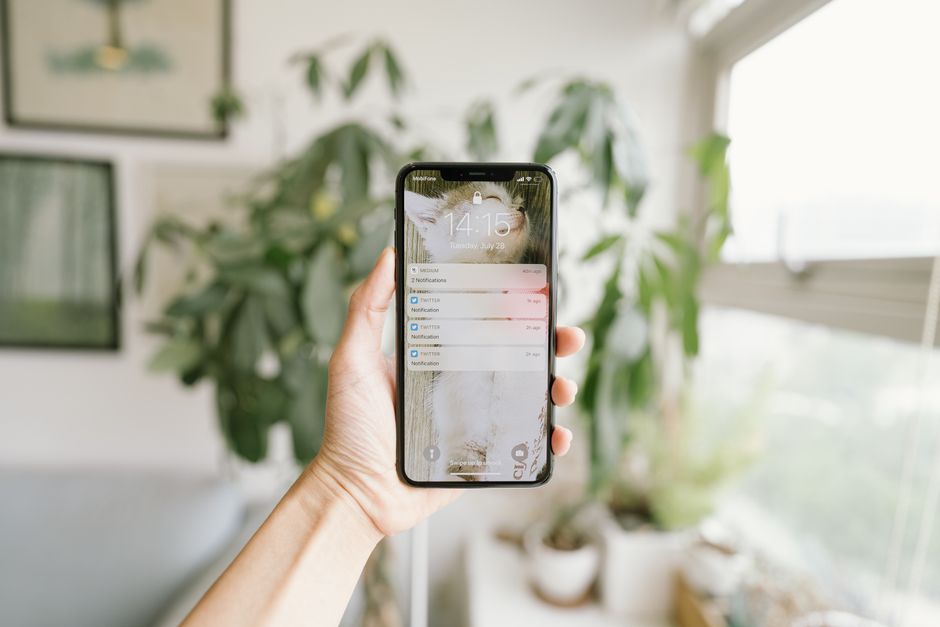
In an age where modern mobile browsers and devices such as phones and tablets place a world of content right at our fingertips, many people experience a curious and sometimes unsettling sensation: the feeling that every idle moment must be filled. Whether you're standing in line, waiting for a meeting to start, or taking a coffee break, it can feel almost unnatural to simply pause without immediately reaching for your phone or another distraction. This phenomenon, which some call idle discomfort, is deeply tied to our phone habits, how attention spans are trained in small bursts, and the availability of micro-entertainment options catering to modern lifestyles.
Understanding Idle Discomfort in the Modern World
Idle discomfort is the uneasy feeling many people experience when they are not actively occupying every fragmented moment of time. It is a psychological state where silence, stillness, or boredom triggers an internal push to do something—anything—to fill the void.
This urge is hardly random; it's a reflection of how technology, social expectations, and habits interact. Phones and tablets, paired with the power of modern mobile browsers, now offer instant access to an endless stream of quick-session content. Together, they train our brains to seek constant novelty and avoid https://xn--toponlinecsino-uub.com/why-do-news-apps-and-slots-both-feel-made-for-short-attention-spans/ moments of reflection or unstructured rest.
The Role of Smartphones in Shaping Our Attention
Smartphones and tablets have an incredible influence on how we manage attention and downtime:
- Portability and ease of access: Carrying a connected device makes it effortless to reach for entertainment or information at a moment’s notice.
- Short-session design: Apps and websites are optimized for micro-interactions—scrolling, quick gaming rounds, checking notifications—that last seconds or a few minutes. This architecture supports what behavioral scientists call attention training in rapid, reinforcing cycles.
- Browser-based access: Modern mobile browsers allow users to quickly jump into content without needing to install apps, reducing friction and encouraging spontaneous consumption.
Here's what kills me: these factors create a habit loop where reaching for your device becomes a default reaction even during the smallest pauses, like waiting for a kettle to boil or standing on the bus.
Coffee Breaks: The New Windows for Micro-Entertainment
In contemporary work culture, coffee breaks have transformed from simple moments of rest to prime opportunities for “micro-entertainment.” The classic coffee break — a time to pause, chat with colleagues, or step outside — is now also frequently a spending limits casino setup chance for a quick spin on a slot game, a few swipes through social media, or a glance at the news.
Why coffee breaks? Because they are:
- Brief and routine: The timing fits perfectly with short digital sessions.
- Socially acceptable: Using your phone during a break is normalized in many workplaces and public spaces.
- Low commitment: Unlike full gaming sessions or watching a TV episode, these activities fit easily into 5–15 minute windows.
One good example is sites like Mr Q Casino, which offer a variety of slot games featuring self-contained rounds that can last just a couple of minutes. These are designed to be gratifying while imposing low memory load—meaning players don’t need to recall complex rules or processes between sessions, matching perfectly with the quick pick-up-and-put-down nature of coffee break entertainment.
Slots as Self-Contained Rounds with Low Memory Load
Slot games, especially those accessible through browser-based platforms like Mr Q Casino, are exemplary for ultra-short-session gaming:
- Concise gameplay: Each round is a compact experience, often just a few seconds to a minute.
- Simple rules and visuals: Players don’t need to remember complicated mechanics or strategy across sessions.
- Immediate feedback: Wins and outcomes are instant, catering to short attention spans.
- Minimal hassle: Browser access avoids the friction of downloading apps, letting users start playing within moments via mobile browsers on phones or tablets.
The instant access, coupled with a clear start and end to rounds, make slots a perfect fit for micro-entertainment during those often uncomfortable idle moments.

Browser-Based Access vs. App Installs: Lowering the Barrier to Quick Engagement
While mobile apps offer rich, often more seamless experiences, installing, updating, and managing apps introduces friction that can dissuade spontaneous use. In contrast:
- Browser sessions on modern mobile browsers enable one-tap access states without permanent commitment.
- Instant login and guest play options let users try games or view content without lengthy registrations.
- No storage concerns: Since browser-based content doesn’t consume device storage like large apps do, it's ideal for users cautious about device space or temporary usage.
This ease of access exacerbates the pressure to fill all gaps because it turns many previously 'dead' moments into easily accessible entertainment windows without much cognitive effort.
The UK Health and Safety Executive (HSE) Perspective: Rest and Recovery Matter
Despite the allure of constant stimulation, experts remind us of the importance of balance. The UK Health and Safety Executive (HSE) advocates for proper rest breaks and eye strain prevention measures in the workplace. They emphasize:
- Taking regular breaks away from screens to prevent fatigue and strain.
- Encouraging micro-breaks that involve movement and non-screen-related activities.
- Recognizing that true mental rest often comes from disengaging rather than switching to another screen-focused task.
In fact, experts often suggest alternative non-screen activities to reset attention and recover processing capacity—such as:
- Stretching or light exercises for a few minutes.
- Stepping outside briefly and taking a few purposeful breaths.
- Engaging in mindfulness or simple sensory awareness, like feeling the warmth of a coffee cup or observing outdoor scenery.
Such breaks combat the buildup of idle discomfort more healthily than perpetually scrolling or short bursts of micro-gaming.
One Non-Screen Alternative to Try
Next time you find yourself reaching for your phone out of habit, consider a non-screen activity instead. For example, during a coffee break, try focusing your gaze on a calming image from Unsplash. Select a nature photo—like a forest or gentle waves—and just observe it for a couple of minutes without any other distractions.
This serves as an attention training exercise that can reduce restlessness by gently shifting your brain away from rapid stimulus-seeking. Unlike interactive digital distractions, it promotes mindful stillness with very low cognitive load.
Summary Table: Filling Gaps in the Day—Pros and Cons
Activity Type Pros Cons Ideal For Slot gaming (e.g., Mr Q Casino via browser) Micro-entertainment Quick, low memory load rounds; instant gratification; easy to start Can reinforce phone habit and idle discomfort; screen fatigue Short breaks where engagement is desired Scrolling social media on phone Habitual browsing Easy access to updates and social connection Often endless scrolling; limited mental rest; potential stress Casual information, communication Non-screen mindfulness (e.g., observing Unsplash photos) Attention training / rest Promotes calm, reduces cognitive load; reduces eye strain Requires discipline; less instantly rewarding True breaks and mental recovery Physical activity or stretching Rest and recovery Improves circulation; reduces muscular tension; mental reset Needs space/time; may be impractical in some settings Longer breaks or post-work sessionsFinal Thoughts
The feeling that you need to fill every gap in your day is a real psychological phenomenon largely amplified by the convenience and design of smartphones, tablets, and browser-based content platforms like Mr Q Casino. While grabbing your phone to play a quick round or scroll through social media can seem harmless and even enjoyable, it can also perpetuate a cycle of idle discomfort and constant stimulation that undermines genuine rest and attentional health.
Balancing modern micro-entertainment with conscious breaks—especially non-screen alternatives—can help retrain your attention and reduce the urge to fill every moment. As the UK Health and Safety Executive reminds us, proper breaks and recovery are essential to mental and physical wellbeing.
Next time you feel the pull to fill that small empty slot in your day, try pausing without your phone or switching to a mindful non-screen activity. Your attention muscles will thank you.