How to Write Playful Names for Casino Events Without Sounding Scammy
A casino event name has two jobs: make someone curious and help them understand what they’re being invited to. The first job calls for a little sparkle. The second calls for plain English. If the sparkle hides the details—or suggests a prize, bonus, or outcome the event can’t deliver—the name can feel less playful than suspicious.

The sweet spot is a title that sounds good out loud, fits the event’s actual theme, and leaves the practical information easy to find. Puns, idioms, alliteration, rhyme, and rhythm can all help. None of them can rescue a name that overpromises.
This guide offers a practical way to create lively names for casino events, including bingo rooms, without leaning on hype. It also points to two useful sources for inspiration: the MrQ website for casino-related language and presentation, and the PBS video page for observing how titles introduce a topic to an audience. Use them as study material, not as a template to copy.
Start with an honest promise
Before brainstorming, write one plain sentence that explains the event. For example: “A Friday-night bingo session with a retro music theme.” That sentence is your naming brief. It says what the event is and gives you a theme to play with, without adding claims about winnings, odds, or special access.
Then list the facts a guest would need before deciding whether to join:
- What kind of event is it?
- When and where does it happen?
- Is there a ticket price, entry requirement, or age restriction?
- Are there rules, eligibility conditions, or limits that should be stated nearby?
- What does the theme actually involve?
A title does not have to carry every detail. It should, however, make the event recognizable—and it should never contradict the details shown beside it. Keep the name entertaining and the description informative. A themed headline can invite a second look; a clear subtitle can explain the offer.
Use puns and double meanings carefully
A pun works by letting a word or phrase carry two meanings at once. In a casino setting, that might mean combining a familiar expression with a game term. A double meaning can make a name feel clever without requiring a long setup, but it should still be understandable on a quick read.
For example, “Full House of Fun” nods to a familiar phrase and a card-game term. It is a wordplay-based title, though the phrase is also a broad theme promise. It would fit best if the event genuinely has a lively, group-oriented atmosphere. “Bingo and Beyond” uses a familiar construction, but it is not necessarily a pun: it may simply suggest a wider program. That distinction matters. Calling every catchy phrase a pun makes the writing less precise—and often makes the naming process less useful.
A quick test for a casino pun
- Identify both meanings. If you can’t explain the wordplay in a sentence, the audience may not catch it.
- Check the fit. Does the second meaning connect to the actual game or event?
- Read it aloud. Does the phrase sound natural, or does it feel like a word forced into a slot?
- Check the implication. Could a reader mistake the joke for a promise about winning, prizes, or access?
The best puns are quick to get and easy to leave behind. If a name needs a paragraph of explanation, it is probably better suited to a social caption than a menu label or event listing.
Repurpose idioms without losing the meaning
Idioms are handy naming material because people already know their rhythm and general meaning. A familiar phrase can give an event an inviting tone before the reader reaches the description. The trick is to adapt the idiom without implying something the event cannot offer.
“Lucky Break” has a casino-adjacent feel, but it can also suggest a favorable outcome. That might be fine as a lighthearted theme, yet it should not be used in a way that implies guests are likely to win. “A Night to Remember” is familiar and warm, but it says little about what actually happens. A more useful version pairs the mood with a clear event cue: A Night to Remember: Friday Bingo.
Try these steps when reshaping an idiom:
- Choose a phrase that already matches the event’s mood.
- Swap in a game or theme word only if the result still sounds natural.
- Keep the original phrase’s tone in mind; an idiom about luck may read like a claim in a gambling context.
- Add a plain descriptor such as “bingo,” “card night,” or “themed event” if the title is too abstract.
Idioms are most useful when they create a familiar doorway into the theme, not when they replace the information guests need.
Name bingo rooms like conversational UI
A bingo room name is more than a decorative label. It behaves like a small piece of conversational interface: it helps people decide where to go, what kind of experience to expect, and whether they have found the right place. That makes clarity especially important.
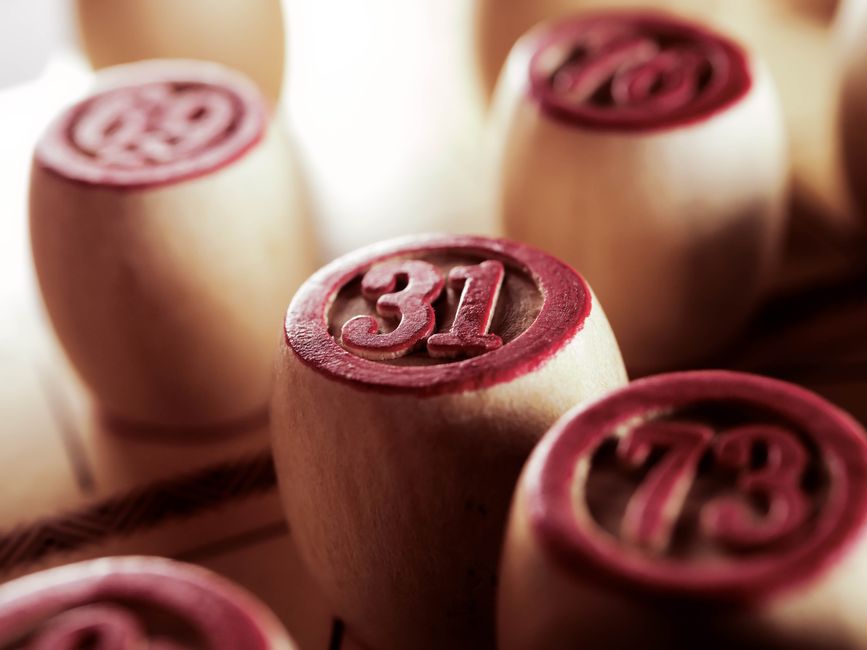
Imagine someone scanning a list of rooms on a phone. They may not pause to decode an elaborate pun. A name such as “The Lucky Lounge” gives a mood, but not much practical information. “Retro Hits Bingo” is more direct. “Retro Hits Bingo Room” is clearer still if the interface lists several kinds of events.
One useful pattern is theme + activity. Put the distinguishing theme first and the event type second:
- Neon Nights Bingo — suggests a bright, late-night theme and names the activity.
- Country Classics Bingo — gives a music cue and makes the format clear.
- Sunday Social Bingo — signals a relaxed, group-oriented session.
These examples are descriptive rather than wordplay-heavy. That is a strength in a navigation menu. If you want a more playful version, keep the activity visible: Eyes Down, Sound Up: Music Bingo. The first phrase adds character; the subtitle tells people what they are choosing.
Keep rules and costs outside the joke
Do not make guests hunt through theme language to find ticket cost, eligibility, timing, or game rules. Put those details in a nearby description, label, or information panel. A name like “The Big Win” can create an expectation that the event itself may not justify. A title such as “Friday Card Night” is less flashy, but it is https://varimail.com/articles/can-you-use-food-phrases-in-casino-game-names-without-confusing-people/ clear. If the event has a real, defined prize, explain its terms separately and accurately.
Build sound with alliteration, rhyme, and rhythm
Names are often read aloud, even when they are first seen on a screen. Sound patterns help a title stick. Alliteration repeats an initial consonant, as in “Bingo Bash” or “Cards and Cocktails.” Rhyme matches ending sounds, as in “Deal and Reveal.” Rhythm comes from the pattern of stressed and unstressed beats, as in “Friday Night, All Right.”
These devices can make a name memorable, but more sound is not always better. “Lucky Lively Little Lounge” may have alliteration, yet it takes effort to say and gives little information. Try reading each candidate at normal speaking speed. If you stumble, trim it.
Device What it does Example Watch out for Alliteration Repeats an opening sound “Bingo Bash” Overloading the title with matching words Rhyme Connects words through similar endings “Deal and Reveal” Choosing a rhyme that obscures the event Rhythm Gives the phrase a pleasing speaking pattern “Friday Night, All Right” Making a slogan where a clear label is needed Wordplay Lets a word carry two meanings “Full House of Fun” Suggesting a benefit or outcome that is not guaranteedWhen you read names aloud, listen for three things: whether the stress falls naturally, whether the phrase is easy to repeat, and whether the key event word is still easy to hear. A catchy sound should support the meaning, not cover it up.
Use reference sites for observation, not imitation
When reviewing the MrQ website, pay attention to how casino-related language is presented: which words are used in headings, how short labels sit beside explanatory copy, and where practical information appears. The useful exercise is to observe structure and tone, then write original names that suit your own event. Avoid lifting a brand’s distinctive wording or assuming that a phrase is suitable just because another site uses it.
The PBS video page is a different kind of reference. Look at how a video title signals its subject and invites interest without needing to explain the entire program in one line. Notice the relationship between the title and its accompanying description. That separation is valuable for event naming too: a headline can be concise and intriguing, while the supporting copy supplies context.
Neither site should be treated as a rulebook for casino promotions. They are prompts for asking better editorial questions: Is the title clear? Does the surrounding copy answer the next question? Does the language fit the subject? Does the headline create curiosity without overstatement?
A simple naming process
- Write the factual brief. Describe the event in one plain sentence.
- Choose one theme. Music, season, decade, food, or social mood—one clear direction is usually stronger than several competing ones.
- Make a word bank. List game terms, theme words, idioms, and useful sounds.
- Draft in different styles. Try one direct name, one idiom-based name, one sound-led name, and one pun.
- Read each title aloud. Check rhythm and ease of pronunciation.
- Run the expectation check. Ask what a first-time guest might think the title promises.
- Pair the name with clear details. Put date, cost, rules, and eligibility where people can readily find them.
Examples of playful but grounded names
The following examples show how a title can use style without relying on exaggerated claims. They are starting points, not guarantees that a name will fit every event.
- Eyes Down, Sound Up: Music Bingo — rhythmic and thematic, with the activity stated clearly.
- Deal and Reveal: Card Night — a rhyme that signals cards without promising a result.
- Retro Hits Bingo — straightforward, with room for a colorful visual identity.
- Full House of Fun — a recognizable double meaning; best paired with a description that explains the event.
- Sunday Social: Bingo Edition — conversational and easy to scan in a menu.
- Shuffle and Settle In — a relaxed-sounding phrase; add a subtitle if the game type is not obvious.
The final check: fun, clear, and fair
A trustworthy event name does not have to be dull. It can use a neat pun, a familiar idiom, a singable rhythm, or a bingo-room label that feels like an invitation. The important thing is that the playfulness stays in its lane. Let the title set a mood, let the description explain the event, and let the rules and costs speak plainly.
Before publishing, ask a colleague to read the name without context. If they can tell what kind of event it is—and do not infer a promise you did not intend—the title is doing its job. If they ask what the name means, or what they are guaranteed to get, revise it. The best playful names are memorable for the right reason: they sound good, fit the theme, and treat the audience like people who deserve clear information.