Do Modern Slot Cabinets Still Need Cooling Components?
Whether you’ve wandered around a casino floorspace curated by MrQ Casino or studied historical gaming artifacts listed by the California Office of Historic Preservation, one thing remains clear: slot machine cabinets have long fascinated visitors with their imposing size and flashy designs. But behind this shiny veneer lies a practical challenge—managing the heat produced by electronics in cabinets.
In this post, we’ll explore if modern slot cabinets still require cooling components, how cabinet design has evolved, and why understanding diagonal screen measurements and aspect ratios is essential when comparing slot machines to your everyday smartphone or desktop monitor.
Why did early slot cabinets have large footprints?
It's tempting to think of early slot machines as just small boxes displaying spinning reels. In reality, the mechanical constraints shaped their size quite a bit.
- Mechanical reels and coin mechanisms: Early cabinets were essentially mechanical puzzles housing rotating reels with complex gearings and coin validation devices. These components demanded space, support structures, and robust frames, resulting in a larger cabinet footprint than just the "reel window" might suggest.
- Bulk of circuit boards and lighting: While primitive by today’s standards, these machines had various lights, switches, and early electronics to manage payouts and jackpots that required volume inside the cabinet.
- Airflow design: Heavy-duty metal enclosures often included vents or fans to avoid overheating due to continuous operation and internal illumination.
The result? These slot machines occupied significant real estate on the gaming floor, often standing nearly four feet tall with widths exceeding two feet. This made the machines a central physical—and visual—attraction.
The footprint is much more than the reel window
When people judge slot cabinet size, they sometimes focus just on the where is rules button slots reel window or the flashy video screen. But it’s crucial to realize these are only portions of the overall cabinet footprint. For instance:
- Cabinet depth: A typical slot machine’s depth can equal or exceed its width, accommodating the intricate innards safely out of players’ reach.
- Lower chassis and cash compartments: The cabinet also houses bill validators, ticket printers, and storage for coins or tickets—a space you don’t immediately see.
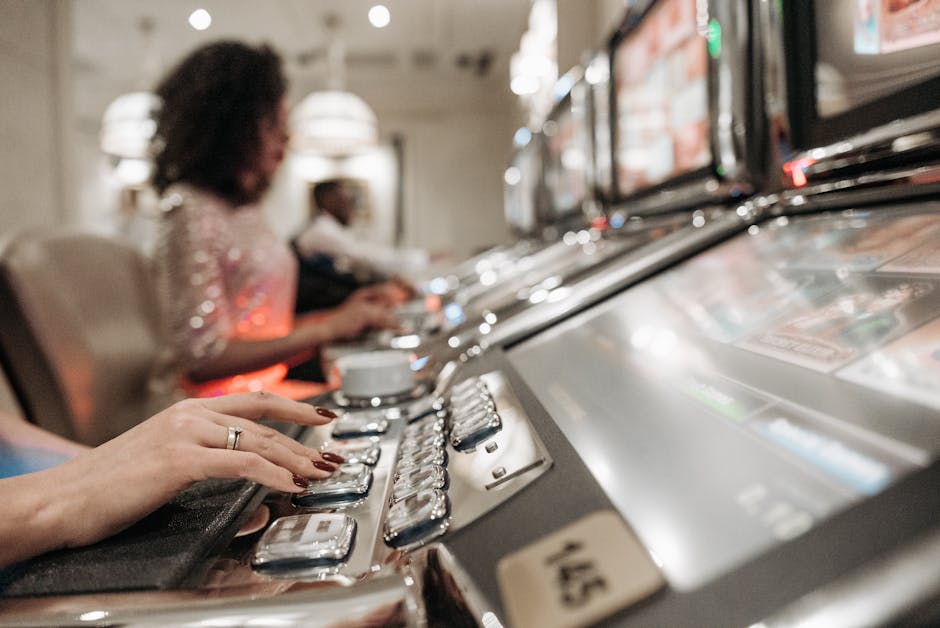
- Control panel area: Button clusters, coin slots, and player interfaces add to the size and ergonomics, influencing overall design and space usage.
Thinking visually, if you compare a slot cabinet to a desktop monitor on your work desk, a slot is more like a full all-in-one PC tower than just the display. The reel or video window is the screen, but what’s behind and below it matters just as much.
Video slots historically grew bigger, then mobile changed the narrative
Video slots introduced rich animations, multiple paylines, and immersive designs that naturally pushed cabinet sizes even larger for a time. Larger displays were employed to:
- Highlight vivid graphics and animations
- Attract players across noisy casino environments
- Double-up as digital game boards with complex interfaces
This expansion came before mobile gaming became the dominant force it is today. Modern players expect slot games to fit on their smartphone screens just as well as on casino floors. This convergence has driven developers and operators toward more compact, responsive cabinet designs that can:
- Offer crisp, clear visuals without massive screens
- Facilitate ergonomic control panels that easily fit a thumb’s reach
- Balance interactive gameplay with physical accessibility and appeal
In effect, while cabinet sizes grew for years to accommodate richer digital content, that trend has reversed slightly with the rise of mobile. Casinos now favor cabinets with versatile designs allowing seamless transitions between on-floor and on-the-go play styles.
Diagonal inches and aspect ratios: Why they can mislead
If you’re comparing slot machine screens to consumer devices like smartphones or desktop monitors, it’s easy to be misled by diagonal screen measurements alone. Here’s why:
- Diagonal size tells you only the "corner-to-corner" measurement, not the actual viewable area. Two screens with the same diagonal but different aspect ratios can have dramatically different usable areas.
- Slot machines commonly use squarer or vertically-oriented screens compared to the wide 16:9 or even wider format of most desktop monitors. This optimizes visibility of reels and game info but reduces apparent width.
- Aspect ratio affects interface layout, button placement, and readability. A tall screen means controls often cluster below the display, requiring thoughtful thumb reach design.
For scale, imagine a slot cabinet video screen roughly measuring 27 diagonal inches with a 4:3 aspect ratio, which shows larger vertical content but less horizontal spread compared to a 27-inch 16:9 desktop monitor. Even though diagonal specs match, your gaming experience changes.
Similarly, smartphones keep screens in a tall 19.5:9 range, which slot developers mimic to keep gameplay comfortable and navigable on smaller physical panels.
Do modern slot cabinets still need cooling components?
After this journey through slot cabinet design, it’s time to answer the question: yes, modern slot cabinets still need cooling components, but the approach has evolved.

Why cooling remains important
- Dense electronics in cabinets: Contemporary slot machines pack numerous circuit boards, LED lights, processors, and network modules into smaller spaces. This density generates heat that must be managed.
- Reliability and uptime: Casinos like MrQ Casino rely on continuous operation to maximize floor revenue. Excess heat risks damaging components and causing machine downtime.
- Player comfort and safety: Cabinets that heat excessively can make adjacent players uncomfortable or could, in rare cases, risk fire hazards.
What modern cooling looks like
Today’s slot cabinets achieve thermal management through:
- Passive airflow design: Strategically placed ventilation holes and internal airflow channels help disperse heat quietly and efficiently.
- Low-power LEDs and efficient boards: Electronics are designed to produce less heat overall, minimizing the cooling load.
- Smart fan integration: Compact fans switch on only when internal temperature thresholds trigger a system alert, reducing noise and wear.
- Heat sinks and thermal pads: Specialized components attach to chips and boards to improve heat transfer to cooler parts of the cabinet.
Lessons from historic preservation
The California Office of Historic Preservation keeps records of early gaming cabinets, noting their heavy metal cases and ventilation patterns. While these designs succeeded for mechanical reels and early electronics, they were bulky and less energy-efficient. Modern engineering has vastly improved this balance, shrinking size while maintaining sufficient cooling.
Summary Table: Slot Cabinet Cooling Then vs Now
Feature Early Slot Cabinets Modern Slot Cabinets Electronics In Cabinets Primarily mechanical reels with basic circuit boards and lighting Dense circuit boards, LEDs, processors, network modules Cabinet Airflow Large vents, passive airflow with some fans for heat dissipation Strategic vents, efficient fan systems, heat sinks, thermal pads Cabinet Footprint Bulk dictated by mechanical design, large depth and width Smaller overall size but still larger than screen window alone Cooling Challenges Heat from incandescent bulbs and mechanical friction Heat from dense electronics and LED arrays Design Focus Durability and mechanical reliability Maximize cooling efficiency, noise reduction, and compact sizeFinal thoughts: Don’t forget usability in cabinet design
Lastly, it’s easy to get dazzled by the numbers – diagonal inches, aspect ratios, or even cooling capacities – but builders and operators must keep player experience front and center. Are the controls accessible within thumb reach? Does the heat management keep the cabinet comfortable over Informative post hours of use? Does the design balance size with appeal without filling too much floor space?
Casinos like MrQ Casino and regulators such as the California Office of Historic Preservation remind us that gaming equipment carries both heritage and innovation. Cooling components remain a silent but vital piece of this evolution, ensuring that modern slot machines run cool and play hot.